

At The Dysautonomia Project, we know managing autonomic disorders can be difficult and overwhelming. That’s why we’ve created DysCourse: Tools for Managing Autonomic Disorders!
DysCourse is a special patient and caregiver event that puts vital education directly in the hands of those who need it most. Whether you’re diagnosed or undiagnosed, a caregiver, friend or healthcare provider, DysCourse can help you better understand autonomic disorders through an array of educational topics taught by some of the world's leading specialists.
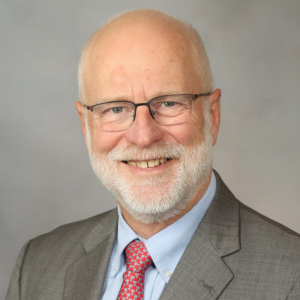
Phil Fischer went to medical school at the University of California, Irvine, and did a pediatric residency at the University of Utah. He studied tropical medicine in England and then practiced in central Africa before returning to the US as an academic general pediatrician. He has been with the Mayo Clinic since 1999 where he is a professor of pediatrics. For more than two and a half decades, he has been caring for adolescents with POTS and other forms of autonomic dysfunction, teaching about POTS, and doing research about autonomic dysfunction. He has learned lots from the thousands of patients with autonomic dysfunction for whom he has cared. He authored Tired Teens: Understanding and Conquering Chronic Fatigue and POTS which was published by Mayo Clinic Press in 2021 and Adolescent Medicine in the Middle East published by Springer Nature earlier this year. He and his wife live in Rochester, Minnesota, and have five grown children and five grandchildren.
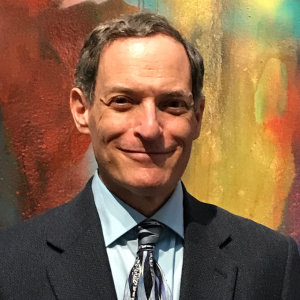
Dr. Pocinki recently retired after 35 years in practice as a general internist, much of it spent caring for patients with joint hypermobility and related autonomic and sleep disorders. He has written or co-authored a number of book chapters and professional publications, and continues to speak regularly on these subjects at local, national, and international meetings. Foremost among the many awards he has received is the Ehlers Danlos Society’s Lifetime Achievement Award, given in recognition of his contributions to understanding the role that autonomic nervous system dysfunction plays in many of the symptoms of Ehlers-Danlos syndrome. Despite having retired from active clinical practice, he continues to seek out opportunities like this to help patients and physicians better understand and manage these conditions.
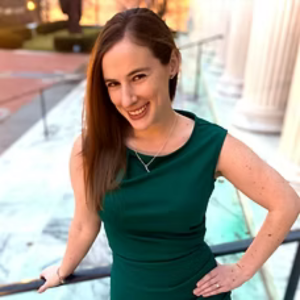
Dr. Heather Swains is originally from Cleveland, Ohio. She became certified as a personal trainer through the American College of Sports Medicine in 2012 while she attended Eastern Michigan University to obtain a B.S. in Exercise Science (2013). She then attended the University of Toledo, completing her Doctorate in Physical Therapy in 2016. After graduation, Dr. Swain married her husband Michael and moved to Phoenix, Arizona. After returning back to Ohio, she started to pursue teaching for the local DPT programs at University of Toledo as a guest lecturer, and now serves as adjunct faculty at the University of Findlay. Dr. Swain has this to share:
"If curiosity is a disease, then I definitely have it. I love a challenge, so I set about taking continuing education courses to hone my clinical skills for treating complex patients in a variety of specialty areas including dysautonomia, connective tissue disorders, chronic pain, pelvic health, aquatic therapy, neurological disorders, and TMJ rehab to name a few. I was diagnosed with my first chronic pain disorder at 9 years old, and I have since collected several other diagnoses that medicine doesn't understand very well yet. My curious mind has lots of questions, and I joke that what I really want for Christmas is a minion army to run all of the research studies I dream up in my head trying to answer my questions. They say that most research is really "me-search", and I am hopeful that I will be able to do research that helps people who live with connective tissue disorders, dysautonomia, and chronic pain like I do be able to live life to the fullest."
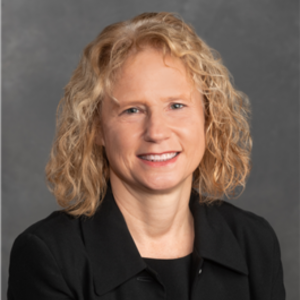
Gisela Chelimsky, MD, is Professor of Pediatrics at the Virginia Commonwealth University. She is the chief of Pediatric Gastroenterology at Children’s Hospital of Richmond. She directs the Pediatric Autonomic program. Dr. Chelimsky was previously Professor of Pediatrics at the Medical College of Wisconsin (2012-2022) and Case Western Reserve University School of Medicine in Cleveland (1999-2012) where she also served as Director of Pediatric Autonomic Disorders Program. A graduate of Medical School at the University of Buenos Aires, Argentina, Dr. Chelimsky completed residency in Pediatrics and pediatric gastroenterology fellowship at Rainbow Babies and Children’s Hospital in Cleveland Ohio (1990-1996). Dr. Chelimsky joined the faculty at Case Western in 1996 and rose to the rank of Professor in 2011. She is also board certified in Autonomic Disorders.
Dr. Chelimsky is a pioneer in pediatric autonomic disorders and one of the few board certified pediatric autonomic specialists in the country. She has developed the first autonomic program at Rainbow Babies & Children’s Hospital. She has now developed the autonomic program at VCU. She has served as the chair of the pediatric committee and as a board member at the American Autonomic Society (2016-2019). She currently serves as a member of the UCNS Certification Committee and American Board of Pediatrics writing the board questions for the autonomic disorders board and sub-board of pediatric gastroenterology.
Dr. Chelimsky has published > 70 original and review articles, contributed to 26 books or chapters, and made multiple presentations at regional, national and international meeting. Her work has focused on disorders of gut-brain interaction and understanding the inter-relations between the brain-gut axis and the comorbid conditions including joint hypermobility and postural tachycardia syndrome that come with these disorders.

Dysautonomia has no cure, making education the #1 treatment. DysCourse provides practical tools to improve quality of life.

Connect and get empowered by joining an interactive, online community of dysautonomia patients and caregivers.

Learn about new resources and other organizations that can help.

DysCourse is held in honor of Christina Tournant, a vibrant young woman who was told it was “all in her head." She was left unvalidated and hopeless due to lack of education in the medical community and ultimately took her own life. DysCourse seeks to provide everyone impacted by dysautonomia with the education, empowerment, and hope that Christina never received.


